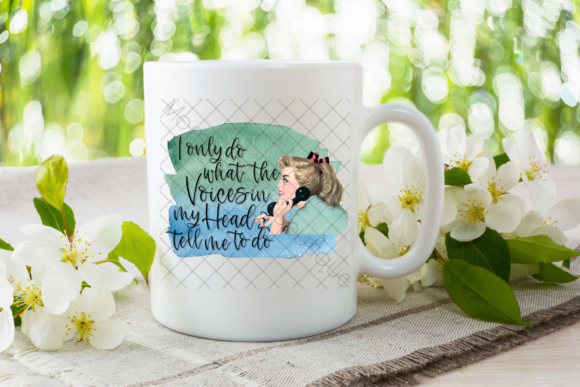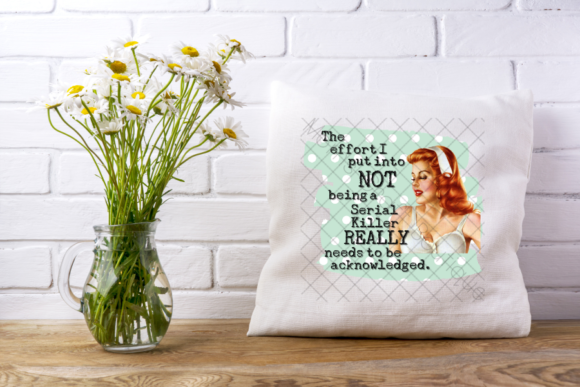
The Effort I Put in NOT Being Killer: Crafting Authentic Design
Every designer knows the pressure to create work that is visually stunning, but the real mastery lies in the effort put into NOT being killer—focusing on authenticity, usability, and genuine connection over flashy, empty aesthetics. This philosophy is at the heart of modern graphic design, where effective visual communication must balance creativity with purpose, ensuring every element serves the brand's story and the audience's needs.
Why Thoughtful Design Trumps Over-the-Top Graphics
In today's saturated digital landscape, the most impactful designs are those that communicate clearly and resonate emotionally. Overly complex or trendy graphics can distract from your message, while a carefully crafted approach builds trust and recognition. This mindset is crucial for developing a strong brand identity, where consistency and clarity across logo design, typography, and color palette reinforce who you are. It’s not about being the loudest; it’s about being the most memorable and authentic.
For creators and business owners, this principle extends to every creative asset you use. Whether you're designing social media graphics, packaging, or a website, the goal is to enhance user experience and engagement through intentional choices. This means prioritizing readability, visual hierarchy, and scalability, ensuring your designs look professional across all platforms—from a tiny app icon to a large print banner.
Practical Applications Across Creative Projects
Applying this thoughtful approach can transform various aspects of your visual design and marketing efforts:
- Branding and Logo Design: A logo should be simple, versatile, and timeless. The effort lies in refining concepts to their essence, ensuring they work in monochrome and at any size.
- Marketing Materials: From brochures to digital ads, focus on clean layouts and a harmonious color palette to guide the viewer's eye to the key message.
- Social Media Content: Consistency in style and tone builds brand recognition. Use templates and cohesive imagery to create a professional feed that tells your story.
- Website and UI/UX Design: Prioritize intuitive navigation and accessible typography. A beautiful interface means nothing if users can't find what they need.
- Packaging Design: Effective packaging communicates product value instantly through smart composition and material choices that reflect brand values.
Tips for Selecting and Using Design Elements Effectively
To harness the power of intentional design, consider these actionable insights:
- Define Your Goals First: Before choosing fonts or colors, clarify the message and audience. Is the design meant to educate, sell, or entertain?
- Prioritize Consistency: Use a limited, well-chosen set of typefaces and colors across all materials to strengthen brand identity and professional presentation.
- Focus on Readability: Ensure text is legible against backgrounds and that there is enough contrast. Good typography is invisible in its effectiveness.
- Create Visual Hierarchy: Use size, color, and spacing to guide the viewer's attention logically through the content.
- Test for Scalability: Check that designs work in different contexts—on a business card, a billboard, or a mobile screen.
Remember, the tools you use matter. High-quality creative assets, like optimized PNG files designed for cutting machines, can streamline your workflow and ensure professional results. Whether you're working on a Cricut project or a full branding suite, starting with well-crafted, versatile design elements saves time and elevates your output.
Ultimately, the effort you invest in thoughtful, authentic design pays dividends in how your brand is perceived and how effectively you communicate. By choosing quality over quantity and purpose over pretense, you create visuals that not only look good but also work hard for your goals, building lasting connections with your audience.