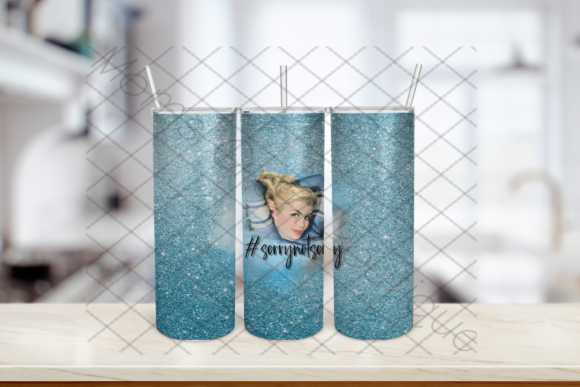
Sorry Not Sorry: Tumbler & Sublimation Design Files
In the dynamic world of modern design, the right asset can transform a good project into a great one. The phrase "Sorry Not Sorry" encapsulates a bold, confident aesthetic perfectly suited for impactful visual communication, particularly in the realm of product customization like tumbler design and sublimation printing. This approach leverages strong typography and a clear message to create memorable branding and merchandise that resonates with contemporary audiences.
The Role of Optimized Design Assets in Creative Work
Quality creative assets are the foundation of efficient and professional design workflows. For creators working with cutting machines or sublimation printers, files must be more than just visually appealing—they must be technically optimized. This means providing high-resolution PNGs with transparent backgrounds, ensuring clean cuts and vibrant, accurate prints. Such attention to detail in file preparation directly impacts the final product's quality, affecting everything from brand consistency to customer satisfaction.
When selecting design elements like the "Sorry Not Sorry" motif, consider their versatility and alignment with your project goals. A well-crafted design serves multiple purposes across various applications:
- Branding and Logo Design: A confident phrase can become a recognizable element of a brand's identity, especially for lifestyle or empowerment-focused businesses.
- Marketing Materials: Use bold graphics on flyers, posters, and digital ads to capture attention and convey a specific brand attitude.
- Social Media Content: Create engaging, shareable posts for platforms like Instagram and Facebook, where strong visuals drive interaction.
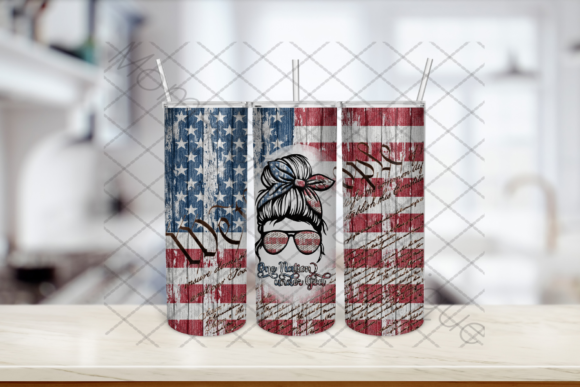
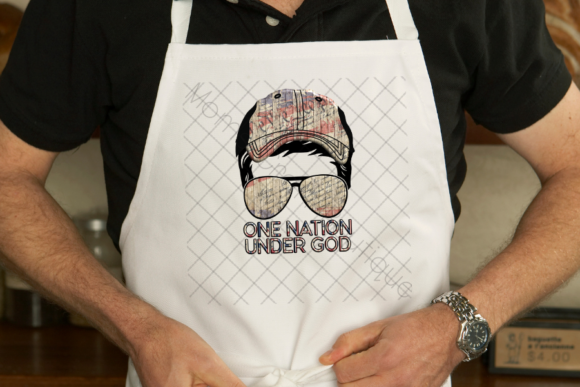
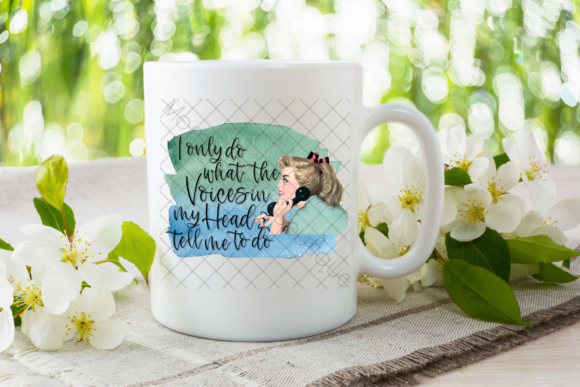
- Packaging and Merchandise: Apply designs to tumblers, apparel, and accessories, turning everyday items into statements that enhance brand visibility and user experience.
Practical Applications for Modern Aesthetics
The application of a design like "Sorry Not Sorry" extends far beyond a single product. In packaging design, it can communicate a product's bold flavor or uncompromising quality. For digital marketing, it makes for compelling social media graphics that stop the scroll. In editorial design, it can serve as a striking headline or pull quote, establishing a strong visual hierarchy and modern aesthetic. The key is to ensure the design's style—its typography, color palette, and overall composition—complements the broader visual system of the project, maintaining consistency across all touchpoints.
For crafters and small business owners, using professionally prepared files is a strategic advantage. Files optimized for cutting machines ensure precision and reduce material waste, while high-DPI sublimation files guarantee sharp, durable prints. This technical reliability allows creators to focus on the creative aspects of their projects, confident that the foundational assets will perform as expected. When evaluating such resources, prioritize clear communication from the provider regarding file specifications and licensing to ensure they align with your creative and commercial needs.
Ultimately, thoughtful design choices are about effective communication. Whether you're building a brand identity, creating merchandise, or designing for a client, the visual elements you select tell a story. Investing in high-quality, versatile, and technically sound creative assets empowers you to tell that story with clarity, impact, and professionalism, elevating both the aesthetic appeal and the communicative power of your work.